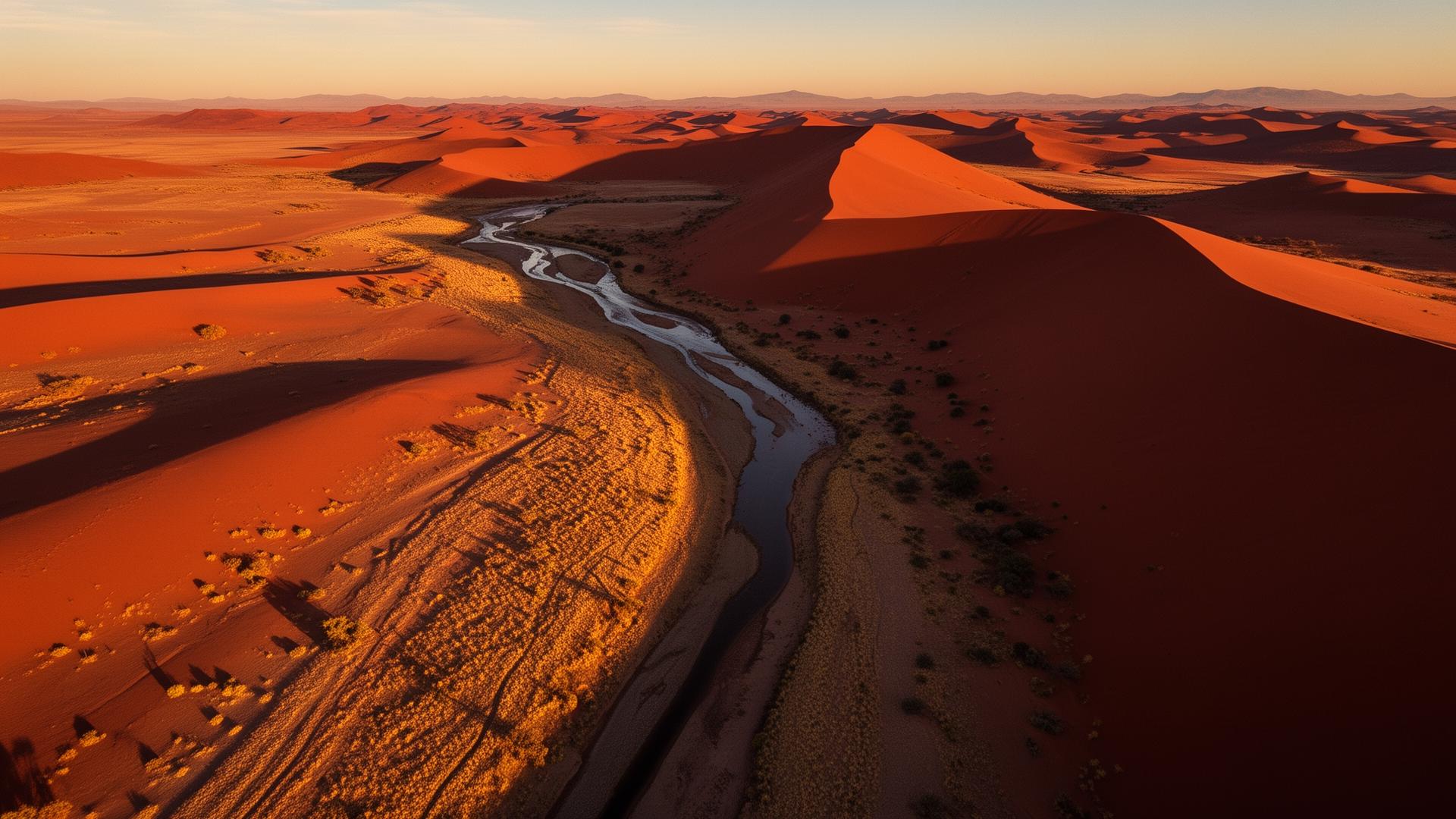

Namibia is one of the best self-drive destinations in Africa, but the best time to visit depends on the kind of trip you want. Some travellers want peak wildlife viewing. Others want greener landscapes, fewer crowds, or cooler conditions for long driving days. There is no single perfect month, but there is usually a best fit for your route and travel style.
On this page7Why timing matters more in Namibia than people expect · January to March: greener landscapes, quieter travel, more variables …
- 1.Why timing matters more in Namibia than people expect
- 2.January to March: greener landscapes, quieter travel, more variables
- 3.April to June: one of the best all-round periods for a road trip
- 4.July to September: classic Namibia season and the safest default recommendation
- 5.October to December: hotter travel, but still good for the right trip
- 6.Which months are best for different travel goals
- 7.A few self-drive rules matter in every season
Why timing matters more in Namibia than people expect
Namibia changes character quite sharply across the year. The same route can feel easy in one season and tiring in another, even if the map stays the same.
The month you choose affects more than temperature. It shapes wildlife viewing, road comfort, booking pressure, the look of the landscape, and how much flexibility you need once the trip begins. That is why timing is not a detail in Namibia. It is part of the route logic.
Quick check
Is this you?
January to March: greener landscapes, quieter travel, more variables
January to March falls in Namibia's rainy season, especially in the north and central parts of the country. This is when the landscape looks greener, skies become more dramatic, and the country feels softer than the dry-season image many first-time visitors have in mind.
For photographers, birders, and travellers who would rather avoid peak-season crowds, this can be a rewarding time to go. But it also asks for more flexibility. Some gravel roads may become muddy or rough after rain, and wildlife can be harder to spot because animals are less tied to a few waterholes.
- best for greener scenery, dramatic skies, and fewer tourists
- good fit for repeat visitors and travellers who do not mind flexibility
- less ideal if you want the simplest self-drive conditions
Read this next
Once the season is clear, pressure-test the route you want to run in it.
The best travel window only helps if the route, drive times, and budget still make sense for that month. These are the most useful follow-on checks.
Routes
How Long Should Your Namibia Trip Be? 7, 10, or 14 Days by Traveller Type
if you want a realistic first-timer route length next
Read nextPlanning
Why Google Maps Lies About Namibia
for the drive-time trap that catches many self-drive plans
Read nextAccommodation
When to Book Namibia's Best Camps
if you need to know how early the key nights should be locked in
Read nextApril to June: one of the best all-round periods for a road trip
As the rains fade, Namibia moves into one of its most comfortable travel periods. The landscapes still hold some freshness from the wet season, but the skies clear and driving becomes easier.
For many self-drive travellers, this is the sweet spot. Days are more comfortable, wildlife viewing starts improving steadily, and the country often feels less pressured than it does later in peak season. If you want a strong balance of scenery, comfort, and route flexibility, this is a very good window.
- best for balanced conditions and scenic driving
- especially good for couples, families, and first-time visitors
- popular areas begin to get busier from June onward
July to September: classic Namibia season and the safest default recommendation
July to September is the classic Namibia travel season. Roads are generally at their most reliable, rain is unlikely, and wildlife viewing is usually at its strongest, especially in Etosha National Park.
This is also the simplest recommendation for first-time visitors because the route logic is easier to manage. The tradeoff is that this is peak season. The best camps and lodges can book out well in advance, and mornings can be surprisingly cold before the daytime warmth arrives.
- best for wildlife and first-time self-drive trips
- book early for Etosha, Sossusvlei, and the strongest lodge areas
- pack for cold mornings as well as warm afternoons
October to December: hotter travel, but still good for the right trip
October to December brings much hotter conditions, especially inland. For some travellers, this makes long driving days less enjoyable. But it is not automatically a bad time to visit.
October can still be strong for wildlife in dry areas because animals remain concentrated around water, and later in the season the skies can become dramatic as the weather begins to shift. This period suits travellers who can handle the heat and want to avoid the busiest winter months.
- best for travellers who are comfortable planning around heat
- still strong for wildlife in some dry-season areas
- early starts and realistic driving days matter more in this period
Which months are best for different travel goals
If the goal is wildlife first, the late dry season is usually strongest. If the goal is a comfortable self-drive route with fewer surprises, the middle of the year is usually better. If the goal is greener scenery and fewer people, the months after the rains can be more rewarding than many travellers expect.
- best for wildlife: August to October
- best for self-drive comfort: May to September
- best for green landscapes: February to April
- best for fewer crowds: January to April and November
- best overall for first-time visitors: June to September
A few self-drive rules matter in every season
No matter when you go, Namibia rewards travellers who stay realistic about distances and conditions. A route that is technically possible can still be too tiring, too hot, or too tight once it becomes a real day on the ground.
- avoid driving after dark where possible
- keep speeds sensible on gravel roads
- check remote road conditions after rain
- carry extra water, offline maps, and a proper spare tyre plan
Final verdict
If you want the safest first answer, choose June to September. If you care more about greener scenery and quieter travel, the months after the rains can work beautifully too, as long as you build a bit more flexibility into the route.
Want to know if your dates and route fit each other?
The season is only one part of the puzzle. We can check whether your actual Namibia route still works for the month you want to travel.