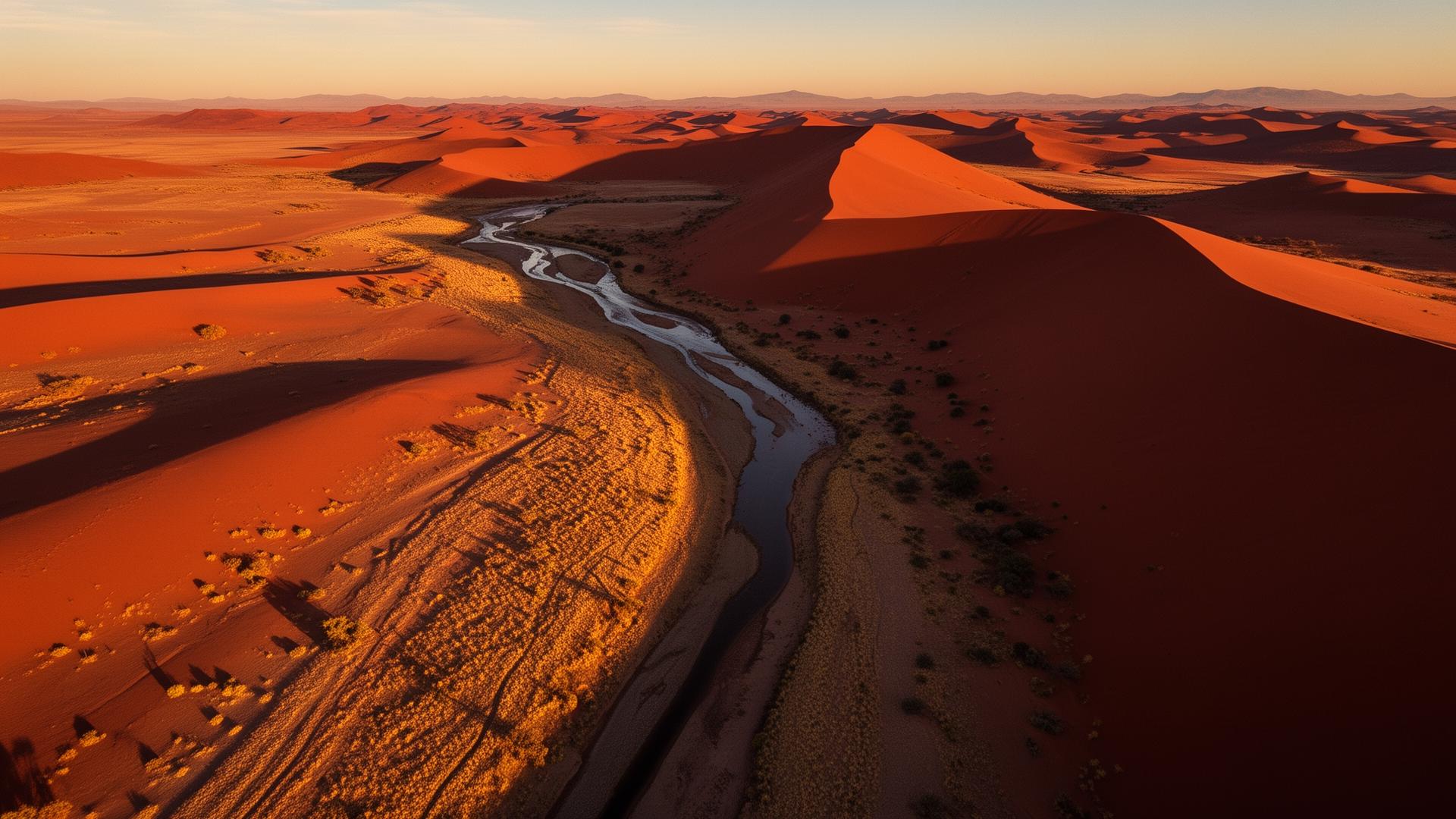

Etosha is the easiest big-wildlife park in Namibia to self-drive, and the easiest one to under-plan. The park is huge, the roads are slow, and the difference between a quiet morning at a great waterhole and a frustrating mid-day grind comes down to which gate you came in, where you slept, and what time you started the car.
On this page8Where Etosha sits in a typical Namibia route · Which gate to use …
Where Etosha sits in a typical Namibia route
On a 10–14 day Namibia self-drive, Etosha is almost always the wildlife anchor. It usually comes after Damaraland or after a coastal Swakopmund stop, with one or two transfer days to get there.
Most travellers should plan two nights minimum, three if wildlife is the priority. One night means you arrive late, do one short drive, and leave the next morning with an unfinished feeling.
Quick check
Is this you?
Which gate to use
Anderson Gate in the south is the most common entry, and it suits routes coming from Windhoek or Damaraland. It puts you near Okaukuejo, the busiest but most reliable wildlife camp.
Von Lindequist Gate in the east suits routes that loop back toward Caprivi or south toward central Namibia. It feeds you into Namutoni, which is quieter and a good first night before driving west across the park.
Galton Gate in the west is only worth it if you are coming from or going to Damaraland and want the western Etosha experience, which is wilder, drier and less busy.
- Anderson — south, Okaukuejo, busiest, easiest first-time setup
- Von Lindequist — east, Namutoni, quieter, good east-to-west itinerary
- Galton — west, Olifantsrus, only worth it on a Damaraland loop
Camps inside the park vs lodges outside
The three main rest camps inside Etosha (Okaukuejo, Halali, Namutoni) all have floodlit waterholes, which is the single biggest reason to sleep inside the park. Wildlife comes to the camp at night and you do not need a vehicle to see it.
Lodges outside the park are usually more comfortable and better food. The trade-off is real: more comfort, less waterhole. For most first-timers, one night inside and one night outside is a good compromise. For families with young kids, an outside lodge for the second night usually saves the trip.
How waterholes actually work
Etosha is dry. Most of the wildlife you came to see ends up at a waterhole at some point during the day. The pattern is: animals avoid the heat, so the best viewing is roughly the first two hours after gate opening and the last two before gate closing.
The biggest mistake first-timers make is treating Etosha like a ticking-off exercise. Drive less, sit more. A good waterhole rewards 30–60 minutes of patience far more than another 40 km of road.
Driving inside the park
Roads inside Etosha are gravel and slow. The 60 km/h park limit is realistic, not conservative. Plan around 25–30 km/h average if you stop for sightings, which you will.
A 2WD with decent ground clearance is fine inside Etosha in normal conditions. The question of 4x4 is much more about your wider Namibia route than about Etosha itself.
Driving after gate-closing is not allowed. Plan your loops so you are back at camp 30 minutes before sunset, not 5 minutes after.
Where the wildlife actually is
Around Okaukuejo: Okondeka and Nebrowni waterholes, plus the camp waterhole at night.
Around Halali: Goas, Rietfontein, and Halali camp's own waterhole, which is one of the best floodlit ones in the park.
Around Namutoni: Chudop, Klein Namutoni, and the Fischer's Pan loop in the green season.
These shift with rain. In a wet year, animals scatter; in a dry year, the same handful of holes do all the work.
When to go
Dry season (May–October) is the easiest for game viewing. Animals concentrate at waterholes because the rest of the park has dried up.
Green season (December–April) is harder for wildlife because water is everywhere and animals scatter. The landscape is more dramatic and there are far fewer vehicles. For a second visit or a photographer, green season can be the better trip.
Common Etosha mistakes
Trying to do the whole park in one day. Even in good conditions, Anderson to Namutoni is a long, slow drive that eats sightings.
Skipping the floodlit waterhole at your camp because you are tired. The night sit is often the best wildlife of the trip.
Booking a single night, then realising on arrival that the next morning's game drive is your departure morning.
Final verdict
Etosha is generous if you give it time. Two nights minimum, sit at waterholes, drive around the heat, and you will leave with the trip most people imagine when they think of Namibia. We can help fit Etosha into your route, or pressure-test the version you have already drafted.
Want help fitting Etosha into your route?
We help travellers plan or review Namibia self-drive routes around Etosha — number of nights, which camps, and what to fly past on the way in.